Fishing Cord Rates Disclosed: Finding the Finest Price for Your Gear
Knowing fishing line prices is essential for anglers in search of value in their gear. The market features a wide range of options, each with distinct characteristics and costs. matching information Factors such as material and brand can considerably influence pricing. As anglers manage these choices, they face both upsides and downsides. What should they give precedence to to ensure peak performance without going over their budget? The answers reside in a detailed review of available lines and their respective advantages.
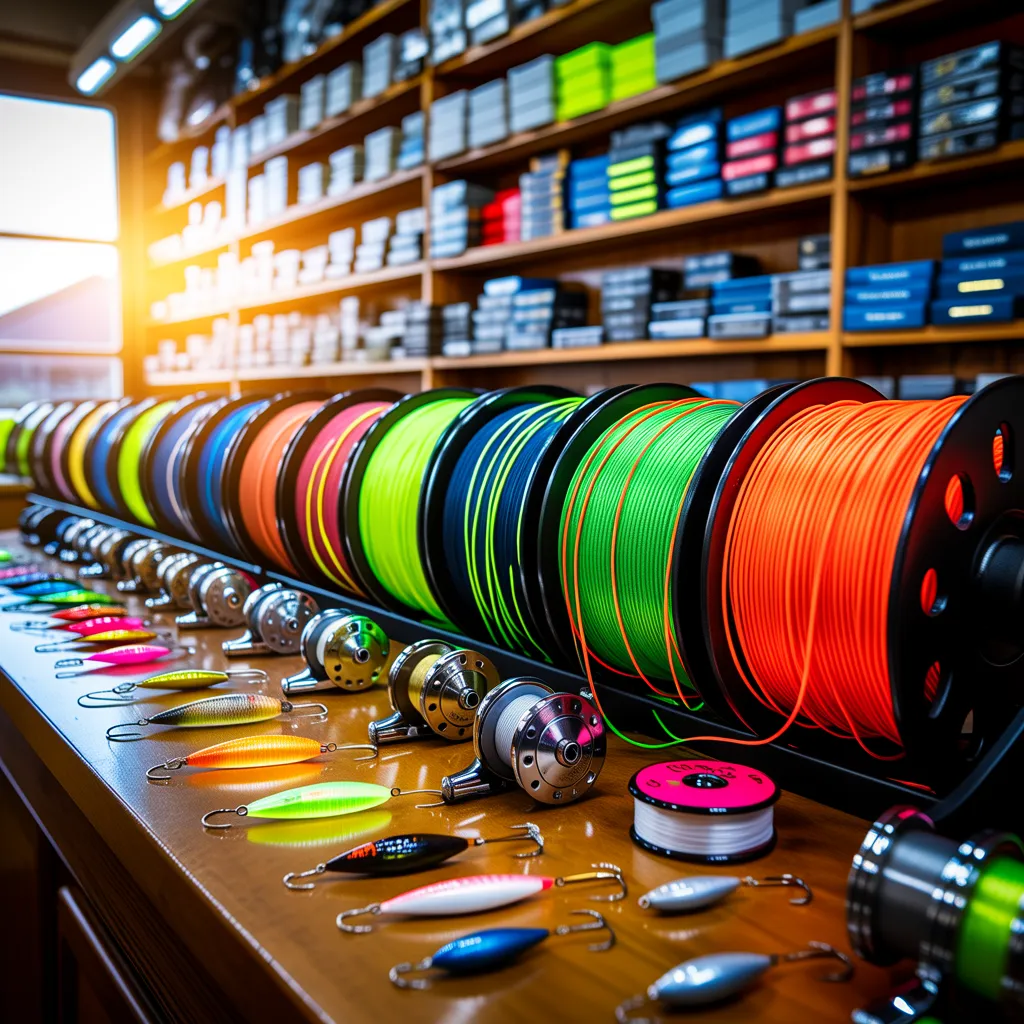
Discover What Kinds of Fishing Lines Are Available and How Much They Charge
When anglers evaluate their options, they find a range of fishing lines available, each with distinct features and price points. The most common types include monofilament, fluorocarbon, and braided lines. Monofilament is recognized for its flexibility and affordability, typically ranging from $5 to $30 per spool. Fluorocarbon, which offers superb invisibility underwater, usually costs between $10 and $50, depending on the brand and diameter. Braided lines, admired for their durability and sensitivity, can vary widely in price, often falling between $15 and $100, depending on the quality and length. Each type serves specific fishing techniques and conditions, influencing an angler's choice. Understanding the distinctions and associated costs helps anglers select the most suitable line for their needs, ensuring they invest wisely in their fishing gear. Ultimately, the right fishing line enhances performance while aligning with budgetary considerations.
Crucial Components Modifying Fishing Thread Prices
Several elements affect the prices of fishing lines, affecting the final price for anglers. The type of material chosen is a key determining element; choices such as monofilament, fluorocarbon, and braided lines each carry specific prices due to their manufacturing processes and performance features. Furthermore, brand reputation plays a vital role, as well-known manufacturers often charge more for their products because of established trust and assurance.
The fishing line’s width, tensile strength, and length also contribute to pricing variations. Thinner, stronger-built lines typically command premium prices because of advanced technology and materials. Seasonal demand can further affect costs; prices may climb during peak fishing seasons as retailers adjust to market trends. Lastly, packaging and additional features, like UV resistance or abrasion resistance, can boost the overall price, making it important for anglers to consider these aspects when evaluating their options.
Guide to Select the Perfect Fishing Line that Fits Your Budget
When selecting a fishing line on a limited budget, it is vital to first analyze individual fishing needs to secure the appropriate choice for the fishing style. Comparing various line varieties can show options that offer good quality without overspending. Besides that, using timely discounts can lead to major reductions, making it easier to pick the best line at an reasonable cost.
Assess Your Fishing Needs
Picking the ideal fishing line can considerably influence both effectiveness and costs, so it's important to examine specific fishing goals before buying. Anglers must take into account factors such as the fishery approach planned, the species targeted, and the setting they will fish in. For instance, freshwater fishing might call for varied line characteristics compared to saltwater fishing. Furthermore, line tensile strength, diameter, and visibility are essential to suit the fishing techniques applied. Budget-minded anglers should also assess how often they fish, as this affects the necessity of high-quality lines versus more affordable alternatives. Ultimately, a personalized approach secures that anglers invest smartly on a fishing line that addresses their individual criteria without overspending.
Analyze Line Categories
Although line choices for fishing may seem intimidating, understanding the different types available helps anglers make smart decisions without overspending. Monofilament lines are budget-friendly and adaptable, making them ideal for beginners. They provide notable elasticity, which helps absorb shocks but may need more frequent replacements. Braided lines, though pricier, offer superior strength and sensitivity, allowing for narrower lines. This can result in savings in the long run, particularly for seasoned anglers going after bigger fish. Fluorocarbon lines, often the highest cost, deliver invisibility underwater and outstanding abrasion resistance. The choice of line ultimately depends on the fishing environment, target species, and personal preference, helping anglers get the most from their gear investment.
Explore Timed Sales
Seasonal discounts provide an great opportunity for fishermen to find high-quality fishing lines at reduced prices. Retailers frequently slash prices of fishing gear during particular times of the year, such as pre-summer or post-holiday sales, allowing frugal fishermen to stock up on key supplies. By watching these sales, fishermen can get premium lines, including monofilament, braid, and fluorocarbon, without breaking the bank. Additionally, signing up for newsletters or following brands on social media can provide alerts on upcoming promotions. Before purchasing, it is advisable to compare prices across various retailers to guarantee the best deal. Ultimately, strategic shopping during seasonal sales enables anglers to improve their gear while managing expenses.
Brand Review: Cost and Value of Fishing Lines
The fish line market contains an variety of brands, each showing distinct alternatives regarding price and standard. Established brands like Berkley and Stren usually command higher fees because of their reputation for reliability and efficiency. Berkley’s FireLine, for instance, is celebrated for its toughness and sensitivity, making it a favorite among professional anglers despite its premium price.
In contrast, brands such as KastKing and SpiderWire offer competitive alternatives at discounted price points, appealing to frugal consumers without giving up too much on quality. KastKing’s SuperPower line, as an example, displays impressive tensile strength and abrasion resistance, often at a fraction of the cost of premium lines.
Ultimately, the selection among brands frequently copyrights on the angler’s individual needs, preferences, and budget. Assessing the equilibrium of price and quality can lead to more wise purchasing decisions, guaranteeing that anglers find the best value for their gear.
Leading Places to Buy Fishing Line Discounts
Where can anglers find the top deals on fishing line? Many choices exist, ranging from local shops to online retailers. Local sporting goods stores often have seasonal sales or promotions that can yield significant savings. Additionally, big-box retailers frequently run discounts, especially during prime fishing seasons.
Online platforms like Amazon and eBay offer competitive prices and user reviews, giving anglers the ability to compare products easily. Specialty fishing websites commonly offer exclusive deals or bulk pricing, options that prove especially beneficial for passionate fishermen.
Another option to achieve savings includes membership programs at fishing clubs or loyalty programs at major retailers, which might offer discounts or rewards on future purchases. Social media and fishing forums can also make aware anglers of flash sales or clearance events. By utilizing these options, anglers can secure the best value for their fishing line needs.
Frequent Mistakes to Steer Clear of When Choosing Angling Line
When choosing fishing line, anglers regularly overlook critical factors that can significantly affect their results on the water. A common misstep is putting price above quality. Though budget-friendly options may appear tempting, they might lead to repeated breakages or poor performance. Additionally, many anglers neglect to take into account the line's fit with their unique fishing techniques. Using monofilament for finesse fishing or braided line for heavy cover may deliver better results.
Another common oversight is failing to match line strength to the targeted species. Selecting a line that is too weak can lead to lost catches, while one that is too strong may scare fish. Finally, anglers often undervalue the importance of line visibility; selecting the wrong color can affect fish visibility and frighten them away. By avoiding these typical pitfalls, anglers can make more informed choices, enhancing their overall fishing experience.
Frequently Queried Questions
How frequently do I need to change my fishing cord?
A fishing line should generally be changed every half a year to a year, depending on how often it’s used and environmental conditions. Signs of wear, such as fraying or discoloration, indicate that it’s time for a replacement.
Does Tackle Line Lose Effectiveness or Break Down With Time?
Fishing line can indeed lose effectiveness or degrade as time passes due to exposure to sunlight, moisture, and chemicals. Periodic inspections and appropriate storage can help extend its lifespan, ensuring peak performance during fishing activities.
What sets apart Monofilament lines from Fluorocarbon fishing lines?
Monofilament lines offer stretchiness and shock absorption, whereas fluorocarbon lines are more transparent underwater and possess enhanced toughness. Each kind is suited to a range of fishing conditions, guiding selection by factors like visibility and sensitivity.
Can You Find Eco-Friendly Fishing Line Types On the Market?
There are eco-friendly fishing line alternatives such as biodegradable monofilament and materials made from recycled sources. These alternatives focus on reducing environmental impact while keeping performance, supplying anglers with green options for conscientious fishing practices.
How does fishing line coloration affect the results of fishing on your trip?
The color of fishing line can influence fishing success, as some hues may be less visible underwater, according to the environment. Anglers often experiment with various colors to find which yields the best performance in given conditions.